
India’s economy grew steadily in 2025, with real GDP expanding close to 7 per cent despite global trade tensions. Growth has been broad-based, driven by rural consumption, government expenditure, resilient exports and modernisation across services and infrastructure. Looking ahead, sustainability will depend on continued progress in infrastructure modernisation, while carefully managing debt, the energy transition, trade diversification and poverty reduction. With these challenges effectively addressed, India is well positioned to maintain its strong growth momentum.
India’s economy grew at a steady pace in 2025 despite a global climate of sluggish growth, decelerating investment and weakening trade. Estimated real GDP growth for 2025 is close to 7 per cent, reinforcing India’s three-decade record of annual growth averaging around 6 per cent. The question is how sustainable this growth will be.
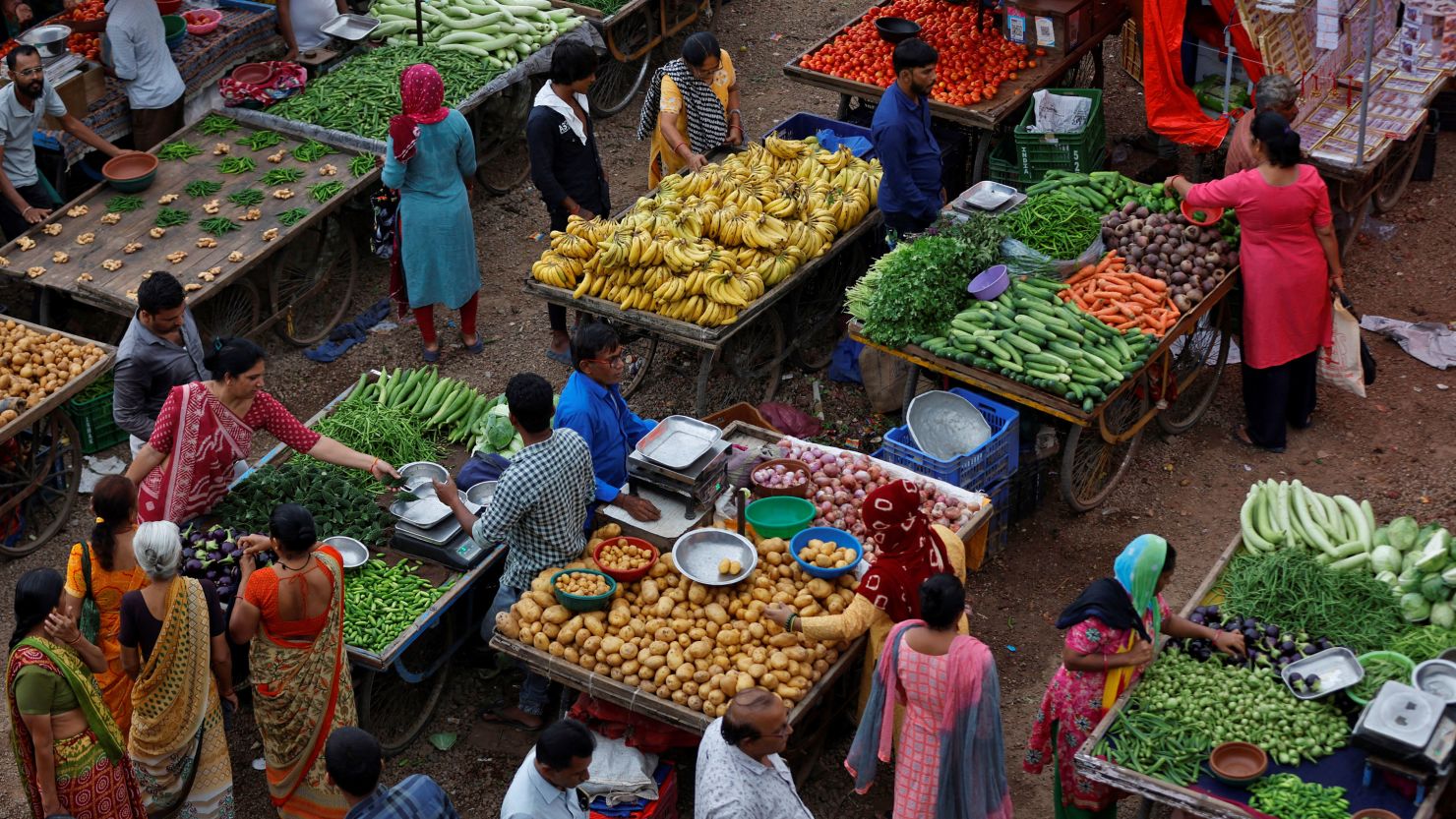
GDP growth at least since 2024-25 has been largely driven by private consumption in rural areas alongside steady expansion in government expenditure. These are internal structural features of the economy, not potentially volatile external factors, making growth broad-based and sustainable. The Reserve Bank of India (RBI) has stabilised prices and lowered interest rates to drive consumption and investment. A rising tax take from government digitisation and economic growth has also supported the expansion of government expenditure, generating additional demand.
Exports also grew despite heightened trade tensions and policy uncertainty. Electronics and pharmaceutical exports increased, supporting growth in the key knowledge-intensive sectors of IT and biotechnology. Food items such as tea, coffee and spices, as well as traditional large-volume sectors such as clothing and footwear, also performed strongly. Following the Trump administration’s announcement of 50 per cent tariffs on India, the rupee devalued against the dollar, partially counterbalancing the tariffs’ negative effects on competitiveness. Trade diversification, especially in fast-growing Asian markets such as China, Japan and ASEAN, also helped absorb negative policy shocks.
India’s growth momentum is likely to continue in 2026, as GDP growth appears to be structural rather than transitory, underpinned by economic modernisation across consumer retail and related services, government and manufacturing. A growing working-age population will support growth both from the supply and demand sides, provided they are endowed with appropriate skills. Infrastructure investment, including in the digitisation of infrastructure, will continue to support growth.
The key question is how sustained this momentum will be and what factors will influence its longevity. Durable growth will ultimately depend on success in five areas: infrastructure modernisation, structural change, the energy transition, trade and investment, and poverty reduction.
Infrastructure modernisation, including the digitisation of government and financial services, will be crucial in keeping transaction costs low and maximising market size.
One potential structural concern is rising debt. Household debt is around 41.9 per cent of GDP, while overall government debt stands at roughly 81.3 per cent, mostly internal and rupee denominated. The steady rise is not unusual in an economy with a growth rate significantly above the world average. Though household debt to GDP is lower than comparable emerging market economies, the RBI can regulate the money supply to deal with rupee debt when needed.
The main risk lies in dollar-denominated external debt if it expands rapidly. The external debt position in September 2025 was 19.2 per cent of GDP and has remained stable especially since the pandemic. An economy of India’s size is capable of servicing such an external debt burden. That said, further leveraged expansion of government and household debt needs to be considered carefully by the RBI.
Another issue is India’s weak global value chain participation. Manufacturing as a share of GDP declined to 13 per cent in 2024–25. Though expected to recover to 14 per cent in 2025–26, it is still well below the government’s target of 25 per cent. The India–UK and India–EU free trade agreements signed in July 2025 and January 2026 respectively could assist in reversing this trend. Targeted government investment in manufacturing, energy and defence might also help going forward. Infrastructure investment and deregulation would also assist in generating manufacturing growth.
In September 2025, India increased the threshold for taxable income and reduced GST on 375 consumption goods. While raising questions about fiscal consolidation and deficit reduction, the measures are likely to boost demand and induce investment.
India has a comparative advantage in renewables, but the digital economy of the future will require a plentiful supply of affordable energy. The diversification of energy sources, including nuclear, will be essential in supporting future Indian industries and consumers. It is also important to maintain a steady supply of fossil fuels over the next two decades while the energy transition takes place, so unrealistic and premature efforts towards the energy transition do not compromise the competitiveness of key sectors.
Trade diversification must continue and trade and investment engagements with fast-growing markets in Europe, Asia, the Indo-Pacific and BRICS should be prioritised while not compromising commercial relations with the United States or other Western markets. Such a balancing act will not be easy, but ongoing trade talks with the United States certainly offer reason for optimism.
Finally, a growing working-age population can be a drag on growth if not handled appropriately. With its rapid modernisation and rising capital intensity, the agricultural sector’s ability to absorb surplus labour is rapidly declining. Urbanisation and rural–urban migration are expected to continue to grow, with a significant proportion of the working=age population joining the informal sector as self-employed. Better regulation of this sector, coupled with targeted government assistance in education, skills development and female workforce participation would go a long way in ensuring that informality is a contributor to the economy and an instrument for poverty reduction.
Overall, India’s growth momentum appears durable, underpinned by domestic demand, structural change and continued investment, supporting expectations of sustained strong growth.
Read more by Sambit Bhattacharyya University of Sussex
Sambit Bhattacharyya is Professor of Economics and Head of Department of Economics at University of Sussex.











Be First to Comment